
50+

Kgs CO2e saved per KWh of Lithium ion battery recycling capacity vs mining.

100+

Kgs CO2e saved per KWh of reused battery capacity vs mining.

500x

Less water consumed per ton of LIBs recycled. Mining consumes 500,000 liters!

30,000+

Lithium ion battery recycling industry jobs created

We Recycle Used Lithium-ion Batteries from across the world

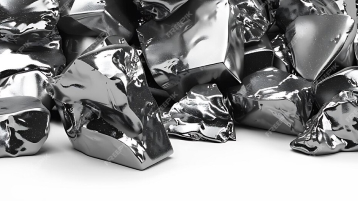
We use our in-house developed proprietary Net Zero Waste, Zero Emissions process for recycling end-of-life  Lithium-ion batteries. Through this process we produce:
Black Mass
Black Mass
Cobalt
Cobalt (Co)
Manganese
Manganese (Mn)
Nickel
Nickel (Ni)
Aluminum
Aluminum
Copper
Copper
Steel
Steel
Plastic
Plastic

We Recycle Used Lithium-ion Batteries from across the world

Residential Waste Recycling

At Hyborn Machinery, we transform everyday household waste into a valuable energy source. By recovering materials from old electronics, batteries, and appliances, we reduce the amount of harmful waste that would otherwise end up in landfills. Our recycling process minimizes environmental impact while contributing to cleaner, renewable energy solutions. Through sustainable practices, we ensure that residential waste becomes part of the solution, not the problem.
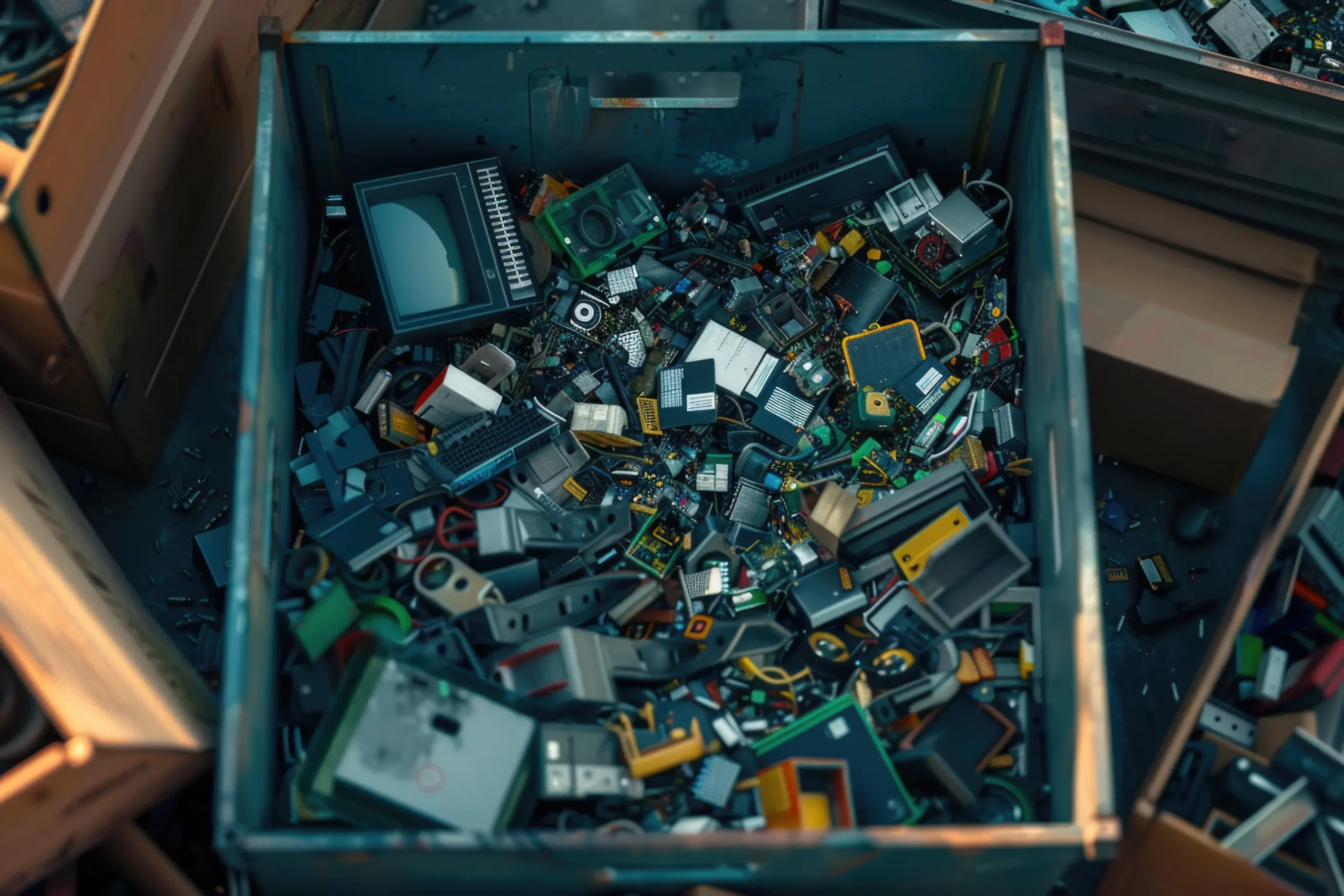
Electronic Waste Recycling

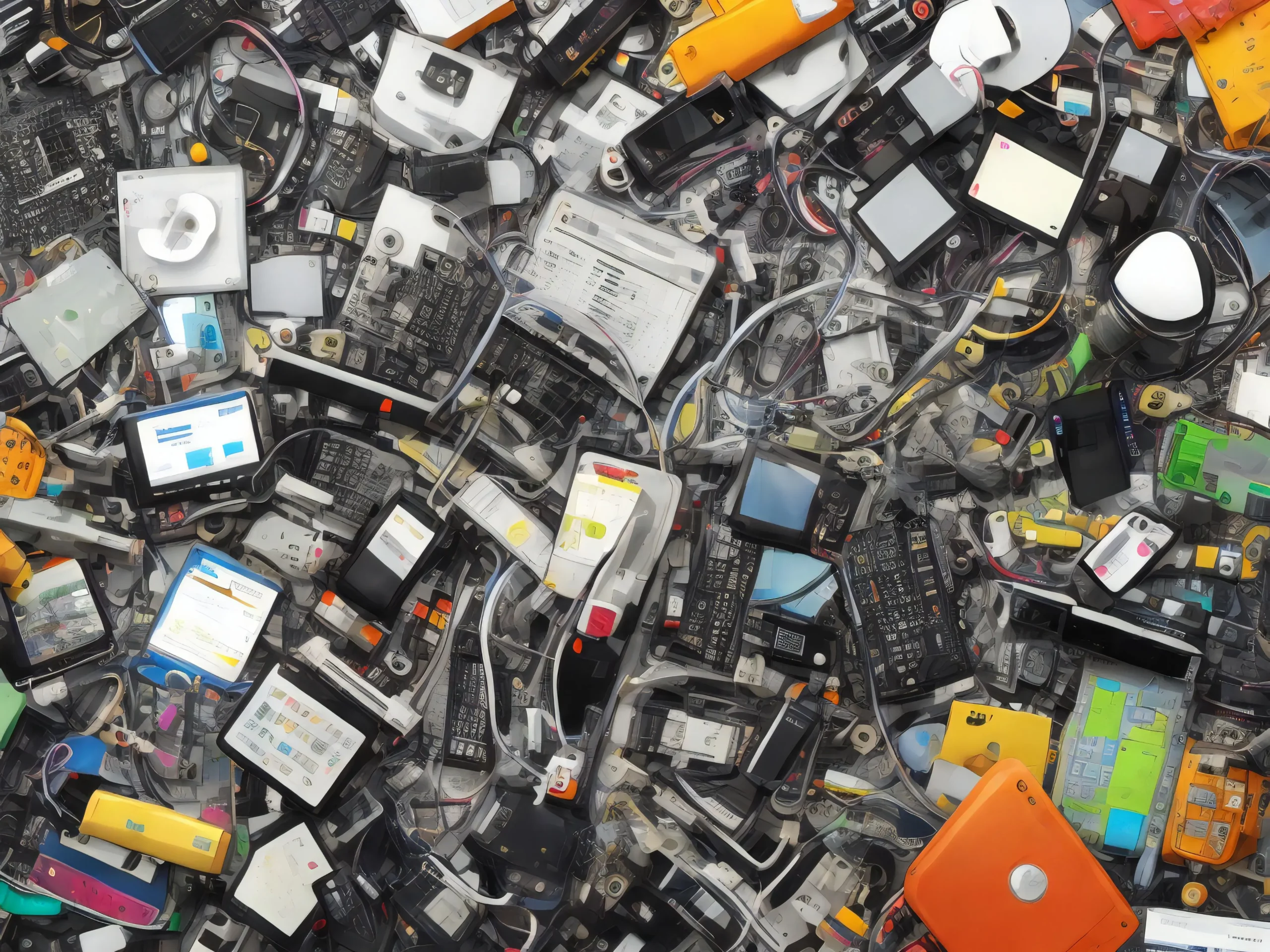
Electronic devices, from old hard drives to outdated gadgets, contain highly recyclable components. At Hyborn Machinery, we focus on extracting valuable metals and materials from electronic waste, helping to reduce the demand for mining new resources. This process conserves energy and lessens the environmental footprint of e-waste disposal. By recycling electronics, we contribute to a circular economy where materials are reused rather than wasted.
Lithium-ion battery and Cell Recycling

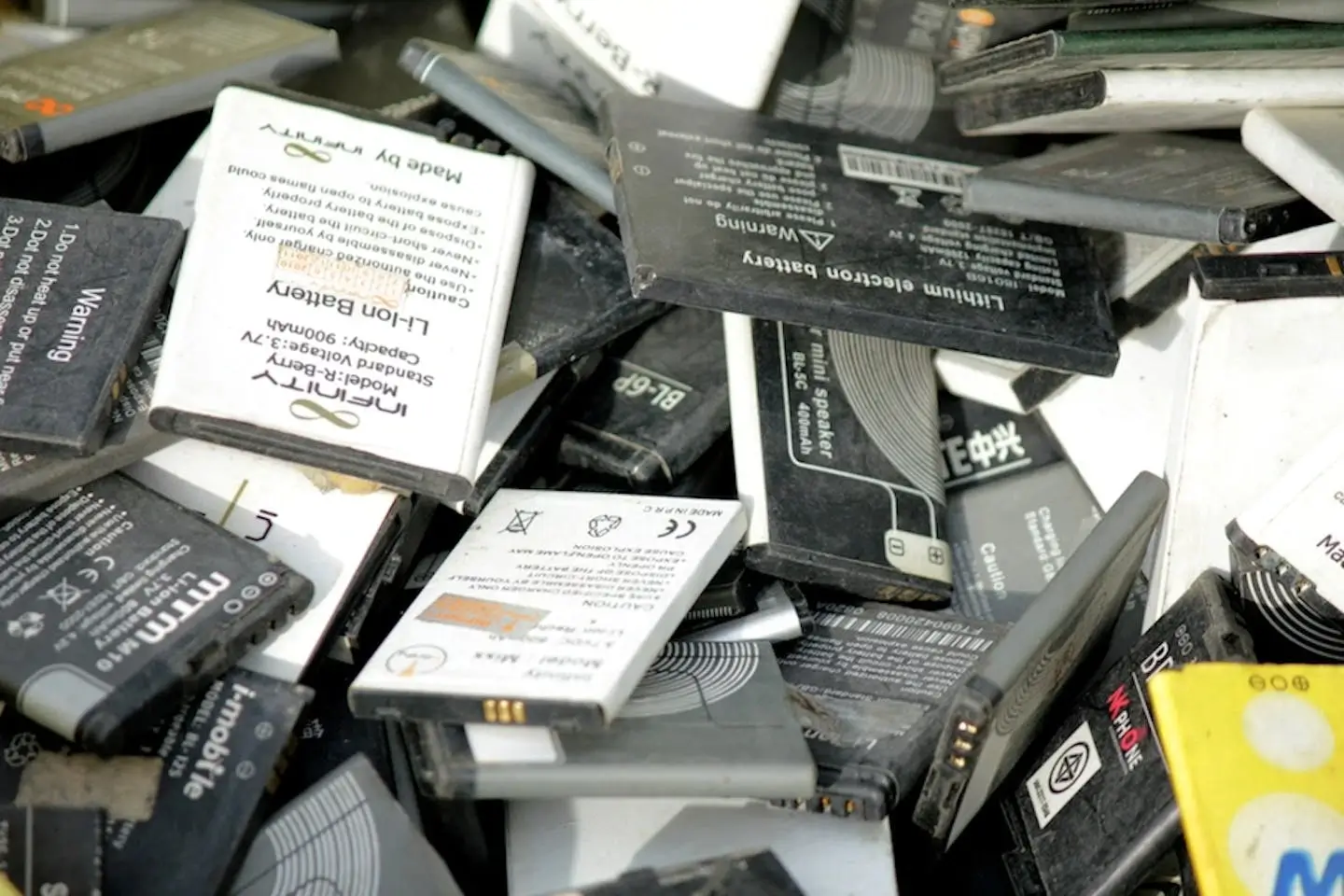
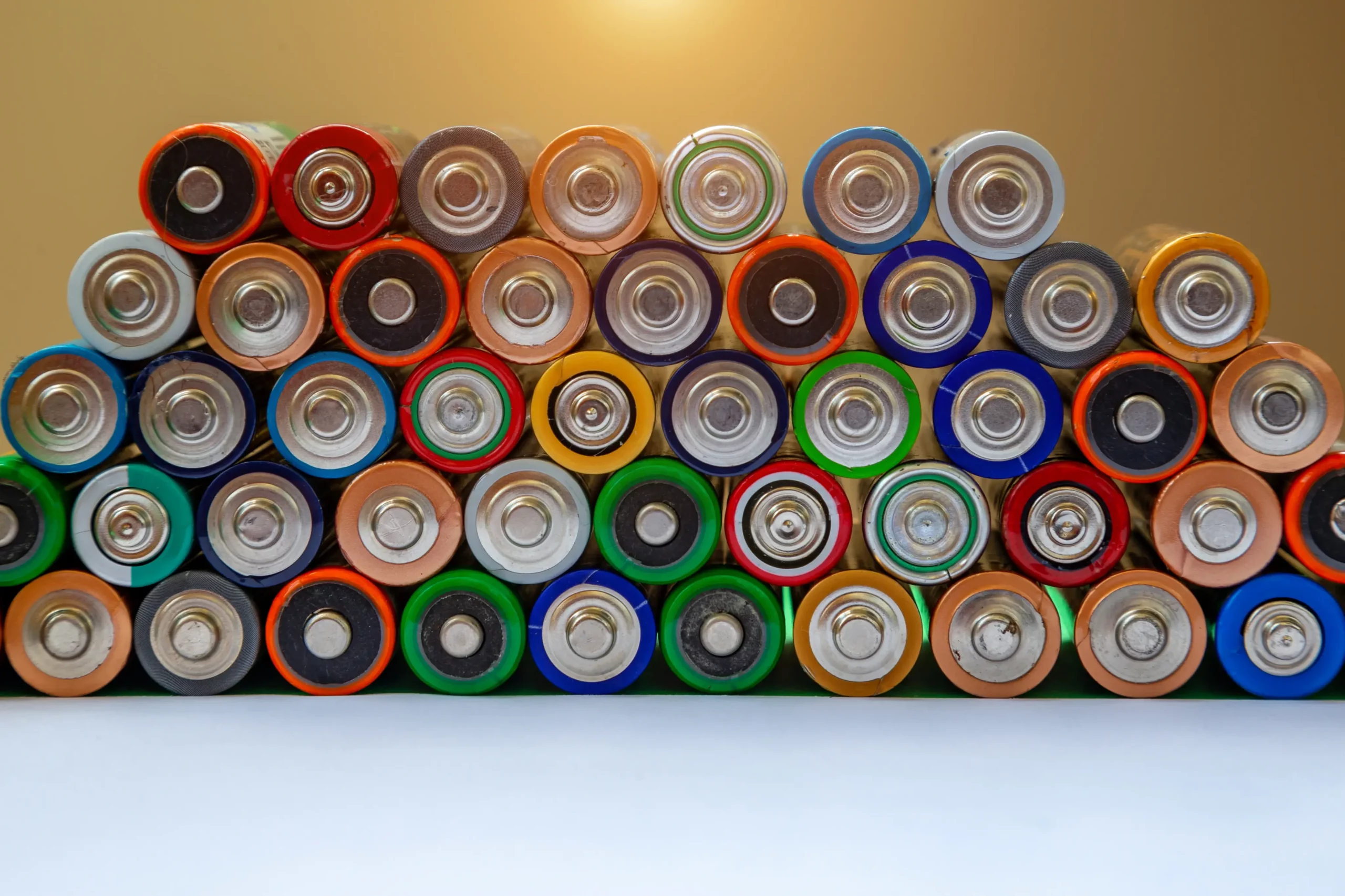
Our core expertise lies in recycling lithium-ion batteries and cells used in various devices, including electric vehicles and portable electronics. These batteries contain precious metals like lithium, cobalt, and nickel, which can be recovered and reused. By repurposing these materials, Hyborn Machinery ensures that fewer resources are extracted from the earth, promoting a sustainable approach to battery production. We help power the future while reducing the environmental risks associated with battery disposal.
We Recycle Used Lithium-ion Batteries from across the world

Residential Waste & Recycling Pickup

Duis aute irure dolor in reprehen
in voluptate velit esse cillum dolore magna aliqua.

Commercial Waste Pickup Services

We will collect all commercial &
general waste from organisations
of all shapes and sizes.

Residential Waste & Recycling Pickup

Duis aute irure dolor in reprehen
in voluptate velit esse cillum dolore magna aliqua.

Committed to Creating a Sustainable Circular Economy

At Hyborn Machinery, our dedication goes beyond recycling – it’s about transforming the future. We aim to reduce the demand for new resources by repurposing valuable materials from used lithium-ion batteries. Together, we’re building a cleaner, more sustainable world for generations to come.

Our Mission

Our mission is to foster a truly circular economy where resources are continually reused, not wasted. By extracting rare earth metals like Lithium, Cobalt, Nickel, and Manganese from discarded lithium-ion cells, we ensure these precious materials return to the manufacturing cycle. This process reduces the need for new mining, minimizes environmental harm, and supports the sustainable production of future batteries. At Hyborn Machinery, we’re not just agents of change – we’re champions of a greener tomorrow. Circularity is our promise.

Why Recycle with Hyborn Machinery?

With a state-of-the-art recycling facility capable of processing 30,000 metric tons of lithium-ion batteries annually, Hyborn Machinery leads the charge in sustainable energy solutions. Our high-capacity plant ensures efficient recycling on a global scale, contributing to a cleaner and greener future for all. Here’s why recycling is crucial:

Protect the Environment: Recycling lithium-ion batteries prevents harmful chemicals and metals from seeping into soil and water, reducing pollution and environmental degradation. By choosing sustainable disposal methods, we ensure a cleaner, healthier planet for future generations. Recycling reduces landfill waste, preserving natural habitats and ecosystems.
Resource Recovery: Lithium-ion batteries contain rare and valuable metals like lithium, cobalt, and nickel, which are finite resources. Our recycling process allows these materials to be recovered and reused, reducing the need for environmentally damaging mining. It also supports the circular economy by ensuring critical resources remain in use.
Save Energy: Producing new materials from scratch requires significant energy, contributing to greenhouse gas emissions. Recycling used batteries and electronics consumes less energy than extracting and refining raw materials. This not only conserves energy but also plays a role in combating climate change by lowering carbon emissions.
Reduce Landfill Waste: By recycling batteries and electronic waste, we significantly reduce the amount of hazardous materials that end up in landfills. These materials can take years to decompose and often release toxic substances into the environment. Recycling helps to minimize landfill overflow, promoting better waste management and protecting natural ecosystems.
Support Sustainable Manufacturing: Recycling provides manufacturers with a steady supply of recycled materials, lowering the dependence on newly mined resources. This supports the production of more sustainable products, reducing the environmental impact of manufacturing processes. By closing the loop, we ensure that industries operate more responsibly and efficiently.
Overall, recycling lithium-ion batteries is a key component of a sustainable approach to managing electronic waste and conserving resource

Media Activity

Lorem Ipsum is simply dummy text of the printing and typesetting industry. Lorem Ipsum has been the industry's standard dummy text ever since the 1500s

What are the fundamental components of a lithium-ion battery?

How does the charging and discharging process work in a lithium-ion battery?

What factors contribute to the energy density of lithium-ion batteries?

Scroll to Top